
The Hang
30 March 2026Grip strength and isometric endurance
Grip strength is one of the most studied longevity markers in the research, and one of the hardest to fake. It’s not really about your hands. It’s a window into your total-body strength, muscle mass, and how well you’ve been taking care of both. The Hang tests how long you can hold on when your body wants to let go.
THE SCIENCE
A 2026 study published in JAMA Network Open tracked 5,472 women aged 63 to 99 and found that those in the strongest grip quartile had a 33% lower mortality rate than the weakest, even after controlling for accelerometer-measured physical activity, sedentary time, walking speed, and systemic inflammation. That’s not grip as a proxy for being generally active. That’s grip as an independent signal. The PURE study, which tracked nearly 140,000 people across 17 countries, found that grip strength was a stronger predictor of death than systolic blood pressure. And a 2018 meta-analysis of nearly 2 million participants confirmed that higher grip strength is associated with a 31% reduction in all-cause mortality. This one’s as close to settled science as it gets.
The Trial
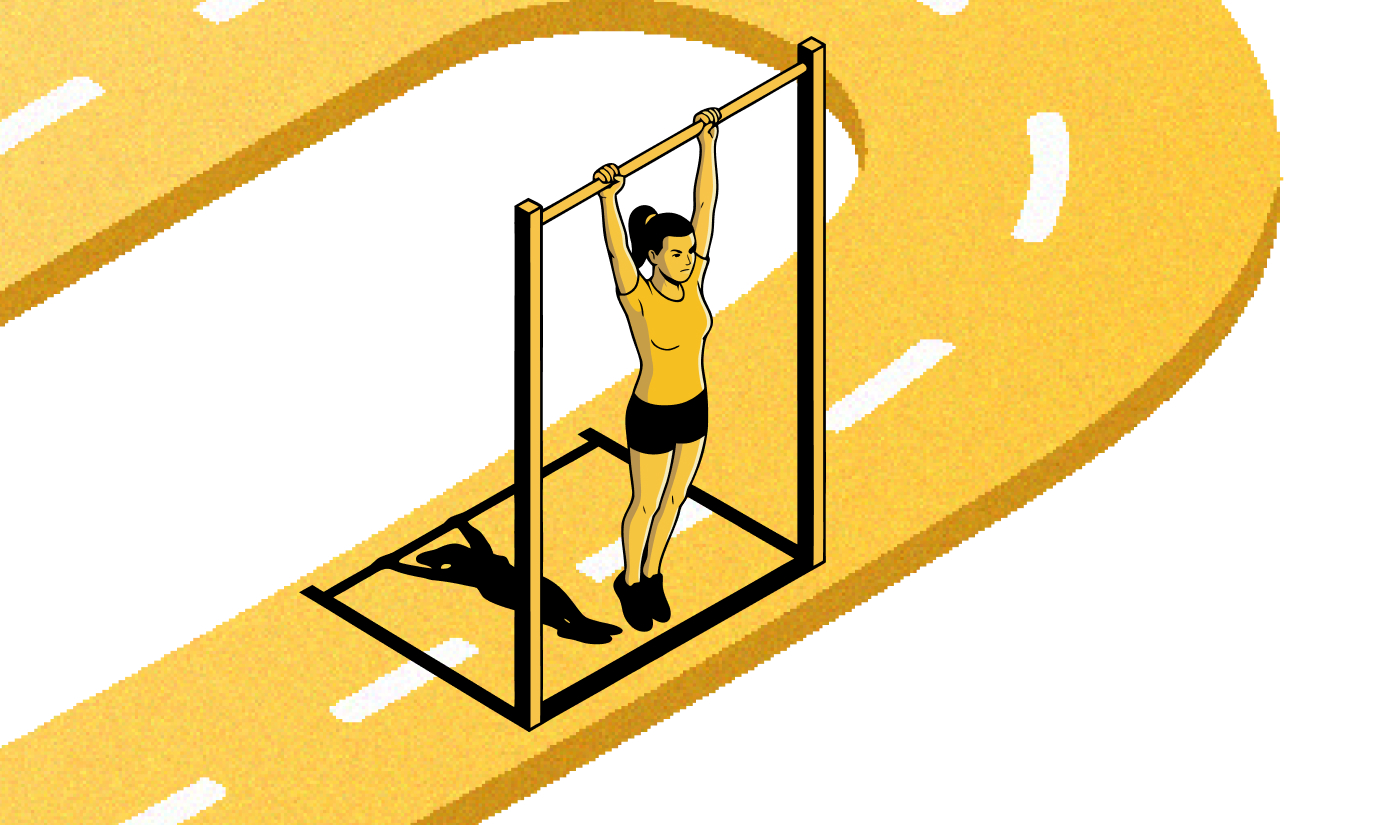
You’ll dead hang from a bar with controlled form. No movement, no kipping. Your score is based on how long you can hang, your time ends when you let go.
HOW TO TRAIN
Since grip strength is a proxy for total-body muscle mass, train your whole body, not just your forearms. Pull-ups, rows, deadlifts, loaded carries, and any exercise where your hands have to hold on while the rest of your body works. Focus on progressive overload: gradually increase the volume or intensity of your training over time. A stronger body means a stronger grip. It really is that straightforward.