
The Synapse, powered by Neurotracker
30 March 2026Cognitive capacity under load
Here’s a number that might surprise you: your brain is 2% of your body mass but burns 20% of your energy. And as you age, your ability to deliver oxygen to that hungry organ declines, taking processing speed, working memory, and mental sharpness with it. The Synapse tests what happens to your thinking when your body is already working hard.
THE SCIENCE
Working memory is your ability to take in information, hold onto it, and actually use it in real time. It starts declining in early adulthood. Researchers at the Buck Institute point to oxygen perfusion as the key driver: when fewer neurons are getting the fuel they need, your brain has to work harder to do the same tasks. The difference between cognitive decline and cognitive resilience? A buffer called “cognitive reserve,” the brain’s excess capacity to perform without maxing out. Northwestern’s SuperAger research has found that preserved working memory is one of the key differentiators in people over 80 who think like they’re decades younger. And a meta-analysis of 39 studies published in the British Journal of Sports Medicine confirmed that physical exercise improves cognitive function in adults over 50, with the strongest effects on executive function, which includes working memory.
The Trial
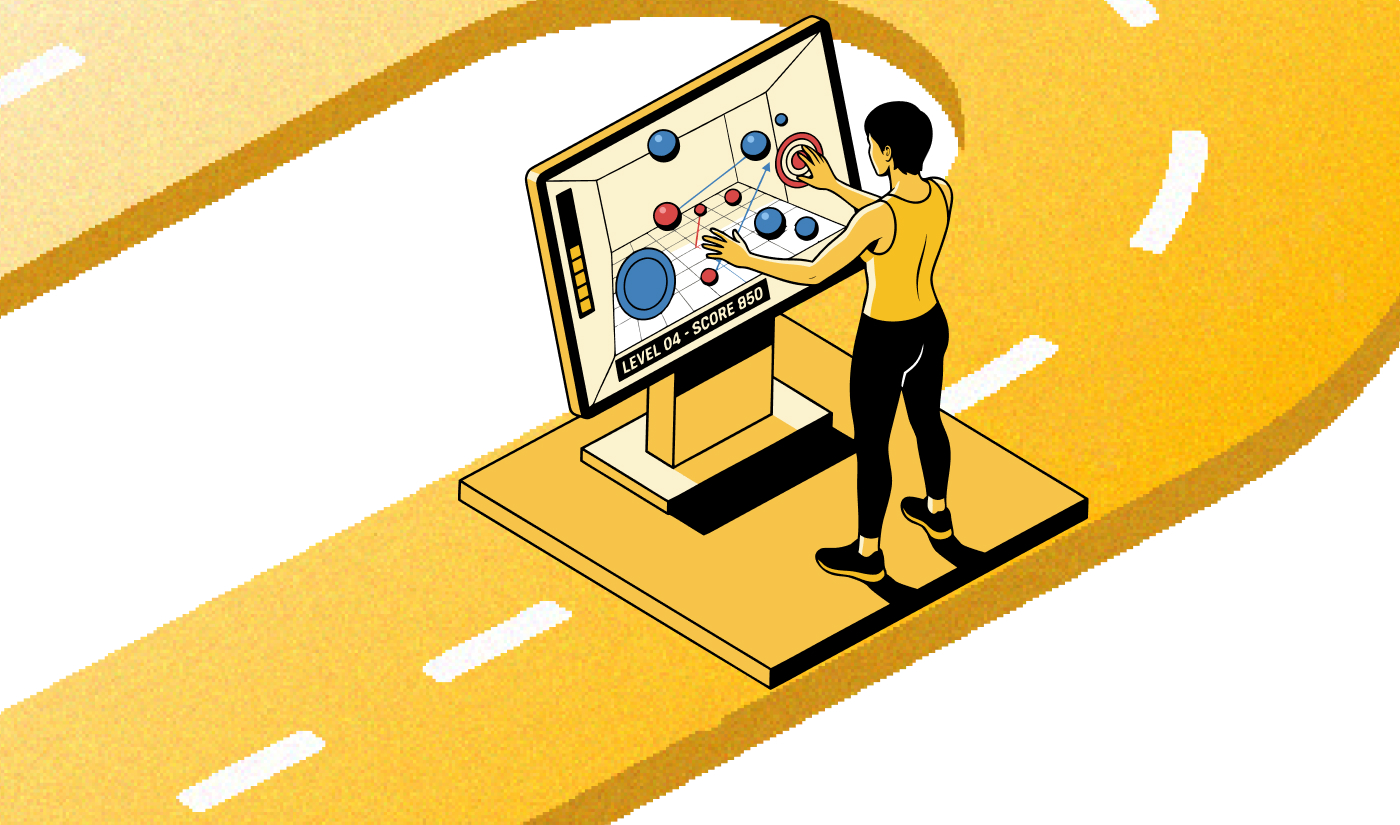
Here, you’ll test your cognitive abilities by tracking multiple moving objects simultaneously on screen as difficulty levels increase, powered by NeuroTracker. Your score is level-based: the further you advance, the sharper your processing.
HOW TO TRAIN
The best thing you can do for your brain is exercise your body. But if you want to train the way the Games will test you, practice using NeuroTracker. Do mental math while you walk. Follow a complex recipe after a run. Play a strategy game after a hard workout. The goal is to build the kind of brain that stays sharp when everything else is demanding your attention.